

Current Issue · Vol. II, No. 1

Where the sciences and the humanities read each other.

A double-blind peer-reviewed, open-access international journal publishing original research across archaeology, conservation, AI and society, digital culture, and the application of the natural sciences to cultural heritage.

Marble fragment overlaid with a digital wireframe

Cover image, Vol. I · Fragment and network.

Featured Article

All articles
Predicting Consumer Purchase Intention on Social Commerce Platforms: A Hybrid Machine Learning and Advanced Econometric Approach

Marketing · Consumer Behaviour · Machine Learning

Predicting Consumer Purchase Intention on Social Commerce Platforms: A Hybrid Machine Learning and Advanced Econometric Approach

Pankaj Kumar Tiwari, Vikrant Veer Singh PathaniaShoolini Business School, Shoolini University

Integrating advanced machine learning with structural econometrics, this study models consumer purchase intention on Instagram and other social commerce platforms in India. On a primary dataset of 412 respondents across four metropolitan areas, a Probit model with average marginal effects is benchmarked against six ML classifiers. Gradient Boosting (XGBoost) achieves 89.1% accuracy and AUC-ROC 0.941, while social media engagement and influencer credibility emerge as the strongest determinants of purchase intention. A SHAP–Probit convergence analysis (Spearman ρ = 0.91) confirms methodological complementarity.
January 2026pp. 9–34DOI: 10.00000/jsc.2026.001

In this issue

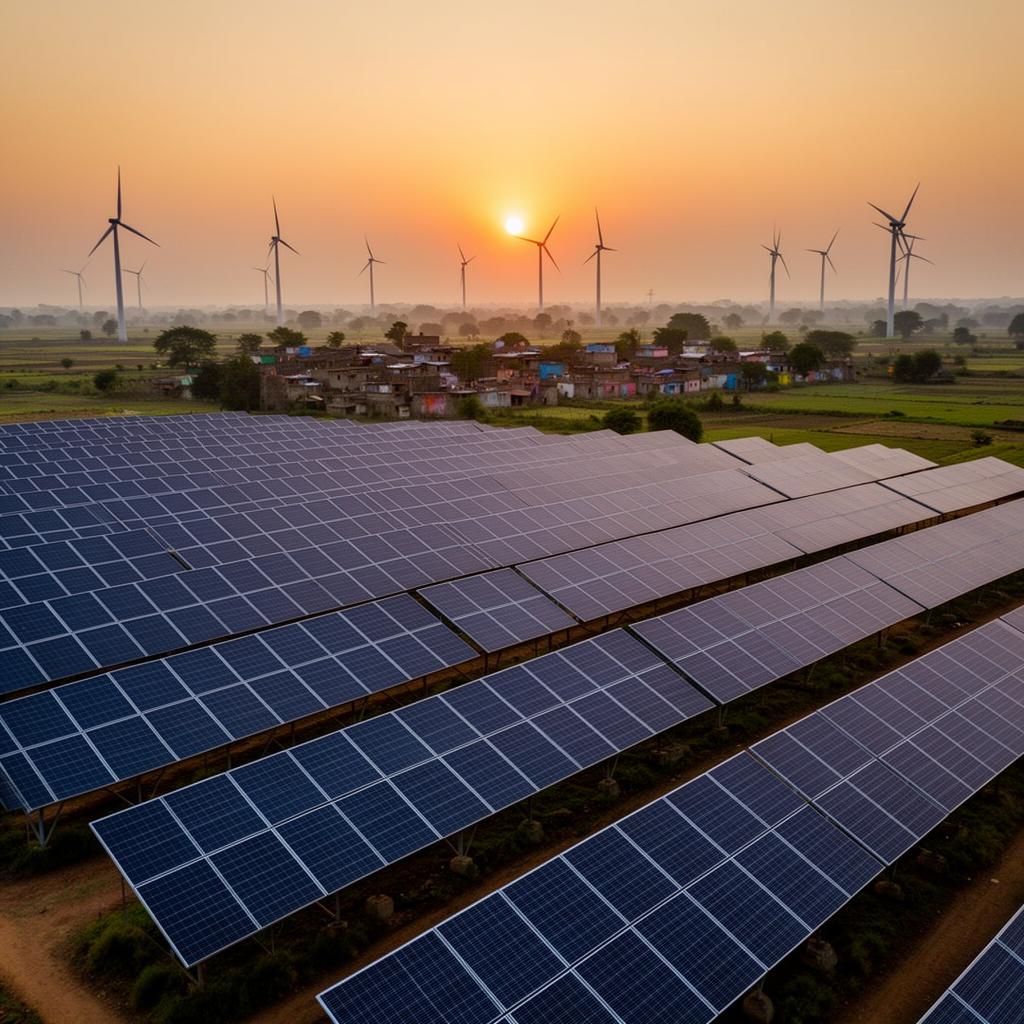
Climate Resilience, Renewable Energy and Economic Growth in India: Implications for Atmanirbhar Bharat

Climate Economics · Renewable Energy · Sustainable Development

Climate Resilience, Renewable Energy and Economic Growth in India: Implications for Atmanirbhar Bharat

Nikhil Bhardwaj

Climate change has increasingly become an economic challenge that affects growth, investment, productivity, and long-term development. In the context of India's vision of Atmanirbhar Bharat, this study examines the impact of renewable energy adoption, climate resilience, and green investment on economic growth during 2000–2024. Using an ARDL approach with Bounds testing and Error Correction Modelling, the findings reveal that renewable energy is the strongest driver of long-run growth, while climate resilience and green investment contribute positively to sustainable economic development.

GST Compliance Burdens and Survival Pressures on Cafes, Restaurants, and Local Food Service Providers in Himachal Pradesh

Public Finance · Tourism Economy · Small Business Taxation

GST Compliance Burdens and Survival Pressures on Cafes, Restaurants, and Local Food Service Providers in Himachal Pradesh

Dinesh Sharma, Dr. Nikhil Bhardwaj

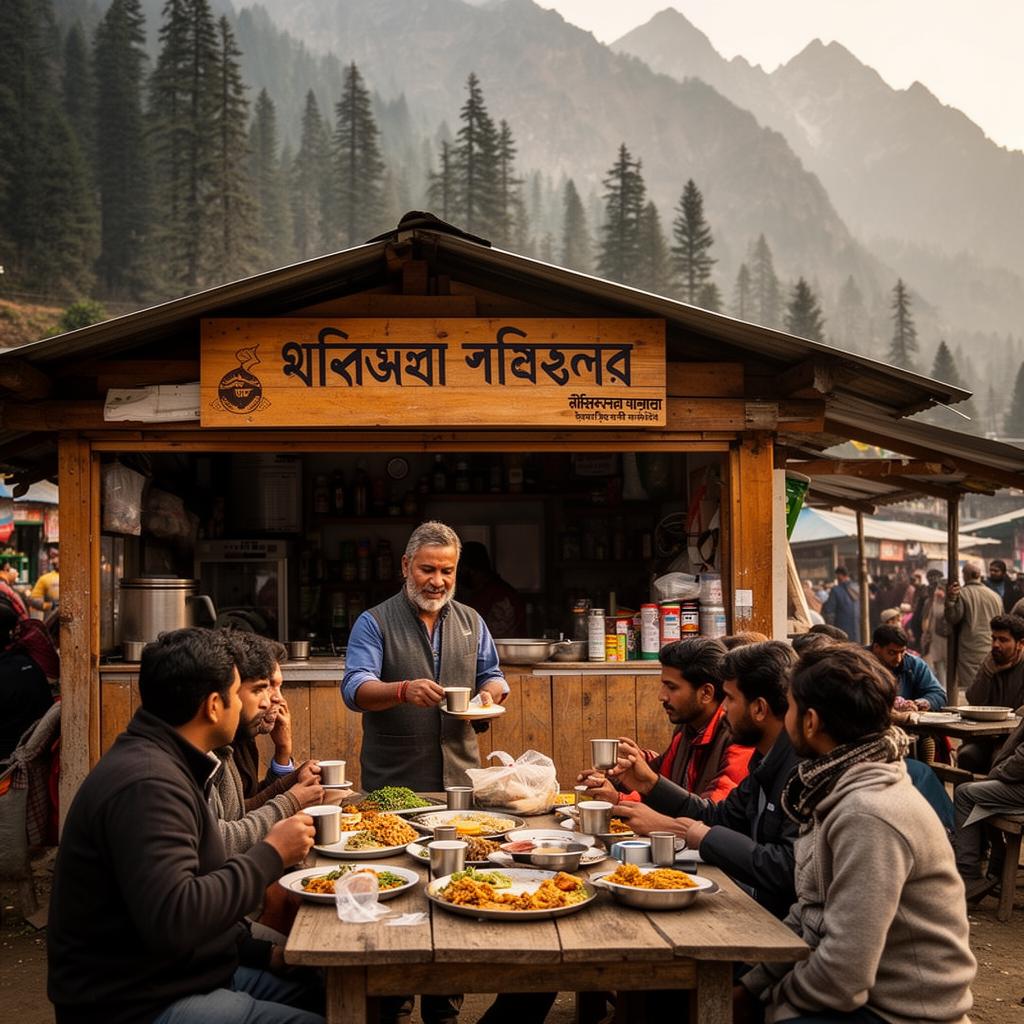
India's Goods and Services Tax (GST), introduced in July 2017, aimed to simplify indirect taxation and create a unified market. For the numerous small cafes, dhabas, and regional food providers operating in the hills of Himachal Pradesh, however, the practical experience has been considerably more complex. Using primary survey data from 60 respondents across Shimla, Manali, and Dharamshala, the study finds that over half of establishments remain unregistered under GST and 50% report declining profitability. Compliance difficulty strongly correlates with diminished long-term sustainability (r = 0.922, p < 0.001), and a regression model explains 85% of the variance in sustainability through compliance difficulty and government support adequacy. The paper argues for region-sensitive policy reforms tailored to hill-state food economies.

Reviving Rural Economies: Building Climate-Resilient Livelihoods for Apple Farmers in Indian Himalayas

Rural Development · Climate Resilience · Sustainable Livelihoods

Reviving Rural Economies: Building Climate-Resilient Livelihoods for Apple Farmers in Indian Himalayas

Dr. Nikhil Bhardwaj, Eshan Gambhir

Apple farming serves as the socioeconomic backbone of Himalayan communities, providing income, employment and regional identity. However, climate variability, erratic precipitation and rising temperatures have disrupted productivity and quality, posing severe livelihood challenges. Despite their economic significance, apple farmers in Himachal Pradesh often face financial exclusion, limited institutional access and inadequate financial and climate literacy. This research promotes sustainable livelihoods among high-altitude apple farmers through an integrated approach encompassing financial inclusion, financial literacy and climate-aware literacy, using a mixed-method, multi-stage sampling framework across selected districts of Himachal Pradesh with descriptive statistics, logistic regression and PLS-SEM.

Scope

An open vehicle for a global academic community.

§Archaeology & Conservation
§Arts & Humanities
§Language Sciences
§Psychology & Social Sciences
§Environmental Science
§AI and Society
§Digital Culture in Education
§STEM in Arts and Culture
§Heritage Sites at Risk
§Technology, Ethics & Human Values